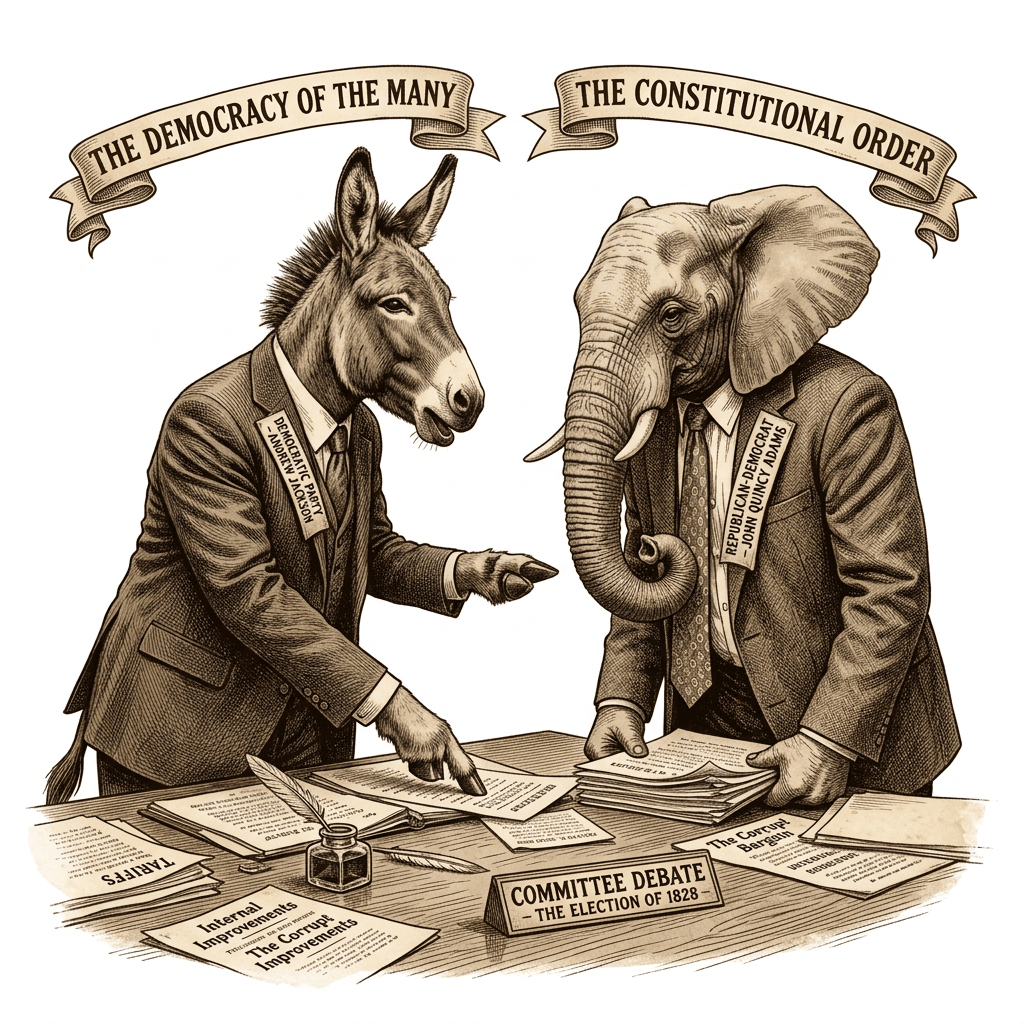
I’ve been spending a lot of time researching and unpacking the upcoming Colorado midterm ballot. I want people to show up and vote, but more than that, I want them to know how they are voting, why they are voting, and to actually do their research before heading to the polls.
For far too long—arguably since the Kennedy era—Americans have been voting for a good speech. We get swept up in performance and personality, completely forgetting the historical reality that some of the world’s most destructive leaders, including Adolf Hitler, rose to power simply because they were great orators. Charisma is just a shiny veneer that hides a lack of substance.
Look at what’s happening in the general midterm elections right now. The Democrats have brought out former President Barack Obama to be the face of their campaign trail to mobilize voters. People are lining up to vote for his endorsed candidates simply because they love him. But they completely ignore the reality of his record. They forget that his administration made deeply flawed decisions—including executing a record-breaking 3 million formal deportations, which earned him the title of “deporter in chief” and triggered severe long-term stability and crime problems in Latin American nations.
And it speaks volumes about political strategy that the party chooses to bring out Obama as their primary champion rather than the actual leader of their last national ticket, Kamala Harris. Following a deeply felt national disappointment in the presidential election, her absence from the main national spotlight tells you everything you need to know. The party handles her deployment selectively because they know a recent loss reminds voters of unresolved frustrations, whereas a polished orator from the past can mask those cracks with a nostalgic speech. It is a calculated performance designed to move voters using emotion rather than facing current realities.
We do the same thing on both sides. Whether people are reacting to the crude, business-style methods of Donald Trump, or swooning over the polished speeches of past leaders, we are letting emotion dictate our future.
But here is the real truth that people are missing: the presidency changes hands, but many of the state and local people we are voting on right now will be in office for the next four years. Their impact will outlast a single federal administration. Mudslinging and finger-pointing won’t fix this country. Wayward thinking has led to higher taxes and a system where nothing works for the collective good. If we want real change, we have to look past the smiling faces and the slick campaign ads. We need to do the homework because the people we elect today are going to shape our lives for a long time to come.
This isn’t just an abstract theory for me; I’m doing the hard work on my own ballot right now. For official lists of candidates, certified ballot information, and local voting procedures for the Colorado U.S. Senate race, please consult official election resources or state voter portals.
As a registered Republican, I have never minded crossing party lines when the candidate is right, and the fact is, I have voted for Hickenlooper for decades. My hesitation now has nothing to do with party loyalty. I am just entirely worn out by the endless, non-stop war on Trump being used as a substitute for actual policy. I am tired of the constant narrative that Republicans are automatically this or that, when the historical reality is that conservatives have given an immense amount to this country—including the very foundation of my freedom as a Black American.
Instead of a constant barrage of partisan attacks, I’m weighing two different structural paths. On one hand, Baisley brings an engineer’s eye and years of legislative experience to the traditional Republican platform of tax relief and border security. On the other hand, Chew—a Navy vet and businessman—is stepping outside the two-party system entirely, self-funding a campaign built on forcing both parties to stop ignoring the crushing national debt.
It’s a choice between utilizing the existing party structure to pass policy, or backing an independent outsider to break the partisan machine. To be completely transparent, after weighing the cases and the risks for both candidates, I realized why this choice is so difficult: it feels like choosing between the lesser of two evils.
And that is the ultimate reality of being an informed voter today. Doing your homework doesn’t mean a magical, perfect candidate is going to appear on your ballot. It means you have to face the hard truth of the trade-offs. It means deciding which flaws you are willing to tolerate and which risks are worth taking for the future of our country.
I still haven’t filled in my bubble for the Senate race. But I would rather stand in the voting booth feeling torn because I know the facts, than walk in blindly voting for a smiling face or a catchy slogan.
Don’t just vote because a candidate sounds good. Face the hard choices, do the research, and vote like our country depends on it—because it does.
What are your thoughts on the upcoming elections? Are you finding it as frustrating to navigate the ballot this year? Let’s talk about it in the comments below.





Leave a Reply